How to Clean and Maintain Your Cooking Equipment Properly: Essential Tips for Kitchen Hygiene
How to Clean and Maintain Your Cooking Equipment Properly
Table of Contents
- The Importance of Cleaning Cooking Equipment
- Types of Cooking Equipment You Must Maintain
- General Cleaning Tips for All Cooking Tools
- Cleaning Specific Cooking Equipment
- Preventative Maintenance for Longevity
- Best Practices for Storage and Organization
- Eco-Friendly Cleaning Solutions
- Frequently Asked Questions
The Importance of Cleaning Cooking Equipment
Maintaining clean cooking equipment is essential for numerous reasons. Not only does it ensure that your meals are prepared in a hygienic environment, but it also extends the lifespan of your tools. Regular cleaning helps prevent the build-up of harmful bacteria, preserves the integrity of surfaces, and improves the overall performance of your equipment. Furthermore, a clean kitchen contributes to a more pleasant cooking atmosphere.
Types of Cooking Equipment You Must Maintain
Cooking equipment can be categorized into several types, each requiring specific care. Below are some common categories:
1. Utensils and Cutlery
Utensils like spatulas, spoons, and knives are used daily and need to be cleaned after each use to prevent cross-contamination.
2. Pots and Pans
Pots and pans are essential for cooking various dishes, and they require special attention to avoid tarnishing and sticking.
3. Kitchen Appliances
From blenders to ovens, kitchen appliances often accumulate grease and grime that can affect their efficiency.
General Cleaning Tips for All Cooking Tools
Regardless of the type of equipment, certain **cleaning principles** apply universally:
1. Wash Immediately
Always aim to wash your cooking tools immediately after use. This prevents food residue from hardening, making it easier to clean.
2. Use the Right Tools
Select the appropriate cleaning materials. Soft sponges, dish soap, and non-abrasive cleaners are generally recommended to avoid scratches.
3. Rinse Thoroughly
After cleaning, ensure that all soap residue is rinsed off, as leftover soap can affect the taste of your food.
4. Dry Properly
Air drying is preferable, but if you use a towel, make sure it’s clean to prevent transferring bacteria.
Cleaning Specific Cooking Equipment
Each type of cooking equipment has unique cleaning requirements.
Cleaning Knives and Cutlery
Knives are essential tools in the kitchen, and they demand special care:
- **Hand Wash**: Always hand wash knives instead of placing them in the dishwasher. This prevents dulling.
- **Dry Immediately**: Water spots can lead to rust, so dry knives immediately after washing.
- **Sharpen Regularly**: Keeping your knives sharp not only enhances performance but makes cleaning easier.
Cleaning Pots and Pans
Pots and pans can be tricky due to their various materials:
- **Stainless Steel**: Use a mixture of vinegar and baking soda for tough stains.
- **Non-Stick**: Avoid harsh scrubbers; a soft sponge with mild soap works best.
- **Cast Iron**: Rinse with hot water and avoid soap to maintain seasoning.
Cleaning Kitchen Appliances
Kitchen appliances require careful attention:
- **Refrigerator**: Clean spills immediately and do a deep clean every few months.
- **Oven**: Use oven cleaners or baking soda paste for tough spots.
- **Microwave**: Wipe down regularly and use a bowl of water with lemon to deodorize.
Preventative Maintenance for Longevity
Taking preventive measures can significantly enhance the lifespan of your cooking tools:
- **Regular Inspections**: Check your equipment for wear and tear.
- **Proper Usage**: Use tools for their intended purposes to avoid damage.
- **Lubrication**: Some appliances may require lubrication; refer to the user manual for guidance.
Best Practices for Storage and Organization
How you store your cooking equipment can affect cleanliness:
- **Use Drawers and Cabinets**: Store utensils in drawers rather than leaving them out, which can attract dust.
- **Organize by Usage**: Keep frequently used items easily accessible to minimize cleaning times.
- **Label Containers**: If you have multiple containers, labeling helps in quick identification.
Eco-Friendly Cleaning Solutions
Cleaning your kitchen doesn’t have to involve harsh chemicals. Here are some eco-friendly solutions:
- **Vinegar**: Acts as a natural disinfectant and is excellent for cutting through grease.
- **Baking Soda**: Works wonders for scrubbing and deodorizing surfaces.
- **Lemon**: A natural antibacterial, lemon also leaves a pleasant scent.
Frequently Asked Questions
1. How often should I clean my cooking equipment?
You should clean your cooking equipment after each use. Appliances may require deeper cleaning based on frequency of use.
2. Can I use bleach to clean my kitchen tools?
It’s not recommended to use bleach on cooking equipment because residues can remain and contaminate food.
3. How do I remove stubborn stains from pots and pans?
Soak with vinegar and baking soda, then scrub gently with a non-abrasive sponge.
4. Is it necessary to sharpen knives regularly?
Yes, regular sharpening is crucial for maintaining efficiency and safety.
5. What’s the best way to store my knives?
Use a knife block or magnetic strip to keep them safely stored and easily accessible.
Conclusion
Cleaning and maintaining your cooking equipment is not just a matter of hygiene; it’s also about enhancing your cooking experience and prolonging the life of your tools. By following the guidelines provided in this comprehensive guide, you can ensure that your kitchen remains a clean, organized, and efficient workspace. Remember, a well-maintained kitchen is the foundation for delicious meals and enjoyable cooking. Don't overlook these essential maintenance tips, and your cooking equipment will serve you well for years to come.
2026 /
08-16



Classification:
Knowledge
RELATED INFORMATION
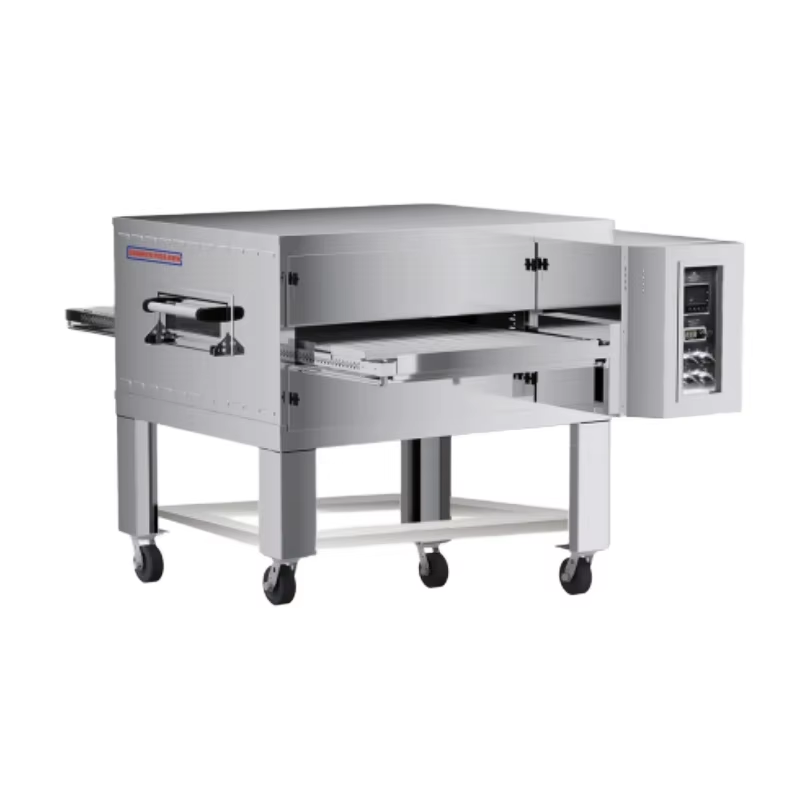


Guangzhou Feelart Kitchen Equipment Co., Ltd - Your Premier Partner in Commercial Kitchen Solutions
*Create Artistic Kitchens with FEELART*
Request Quote