Comprehensive Guide to Commercial Kitchen Equipment for Professional Food Service Operations
Commercial kitchen equipment refers to the wide range of specialized appliances, tools, and fixtures designed to meet the demands of professional food service operations, including restaurants, hotels, catering services, cafeterias, and institutional kitchens. Unlike residential kitchen tools, commercial kitchen equipment is built for heavy-duty, continuous use, emphasizing durability, efficiency, hygiene, and safety. The right equipment is critical for maintaining high productivity, consistent food quality, and compliance with health and safety regulations in fast-paced culinary environments.
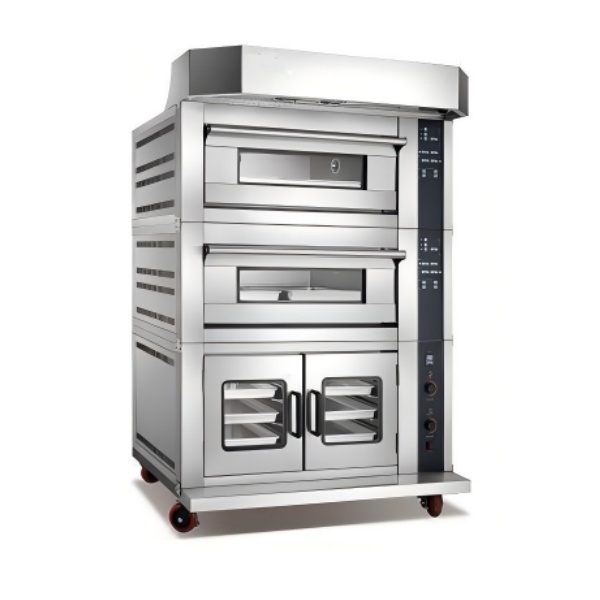
Cooking equipment forms the backbone of any commercial kitchen. This includes ranges, ovens, fryers, grills, griddles, charbroilers, induction cooktops, and steamers. Professional ovens may include convection ovens, combi ovens, and deck ovens, providing versatility for baking, roasting, steaming, and other cooking methods. Fryers can be gas or electric and are used for high-volume frying of foods such as potatoes, chicken, and seafood. Grills and charbroilers provide even heat for searing and grilling, while induction cooktops offer precise temperature control and energy efficiency. High-quality cooking equipment ensures consistent cooking results, reduces energy consumption, and withstands the rigors of continuous use.
Food preparation equipment streamlines the process of cutting, mixing, blending, and portioning ingredients. This category includes food processors, mixers, blenders, slicers, peelers, dicers, and meat grinders. Commercial mixers, such as planetary or spiral mixers, are designed to handle large batches of dough, batter, or other mixtures efficiently. Food processors and blenders allow chefs to prepare purees, sauces, and emulsions quickly. Accurate portioning equipment ensures consistent serving sizes, reducing waste and maintaining quality standards.
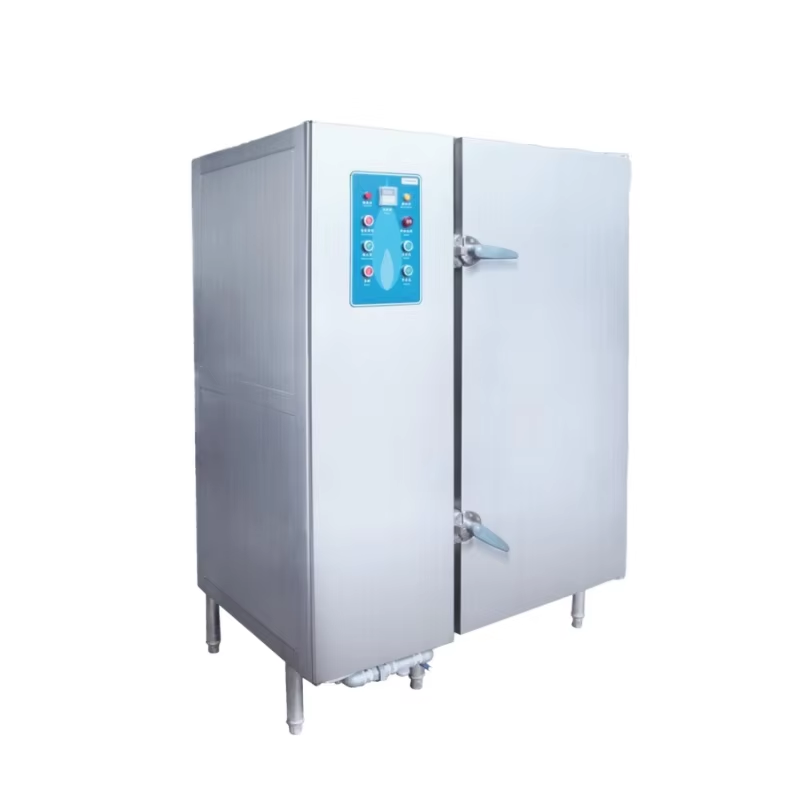
Proper refrigeration and storage are vital for maintaining food safety and prolonging shelf life. Commercial refrigeration equipment includes reach-in refrigerators and freezers, walk-in coolers and freezers, under-counter units, blast chillers, and prep tables with refrigerated storage. These units maintain precise temperatures to prevent bacterial growth and preserve food quality. Dry storage solutions, such as shelving units, racks, and pantries, provide organized and accessible spaces for ingredients, utensils, and packaged goods.
Sanitation is a critical component of any commercial kitchen. Dishwashing equipment, including under-counter, door-type, and conveyor dishwashers, ensures rapid and thorough cleaning of dishes, utensils, and cookware. Additional cleaning equipment includes sinks, mop basins, trash compactors, and grease traps. Proper cleaning equipment supports hygiene compliance, prevents cross-contamination, and maintains a safe working environment.
Commercial kitchens often require specialized equipment tailored to specific cooking styles or cuisines. This may include pizza ovens, pasta cookers, bain-maries, salamanders, rice cookers, steam kettles, sous-vide machines, and smoking units. Auxiliary equipment, such as worktables, cutting boards, food storage containers, and utensil organizers, ensures efficient workflow and organized kitchen operations.
Commercial kitchen equipment must comply with local health and safety regulations, fire codes, and electrical standards. Many appliances are constructed from stainless steel for durability and ease of cleaning. Safety features such as temperature controls, automatic shut-offs, flame failure devices, and anti-slip surfaces help prevent accidents and protect staff. Adequate ventilation, hoods, and exhaust systems are essential to remove heat, smoke, and odors, ensuring a comfortable and safe working environment.
Commercial kitchen equipment provides high efficiency by enabling faster food preparation and cooking, supporting high-volume service. Precision appliances ensure uniform cooking, portioning, and presentation, while equipment built for heavy use withstands long operating hours and frequent cleaning. Safety features and hygienic designs reduce the risk of accidents and contamination. Modern equipment often incorporates energy-efficient technology, lowering operating costs.
Commercial kitchen equipment is an essential investment for professional food service operations. Selecting the right combination of appliances and tools allows chefs to work efficiently, maintain high standards of food quality, and ensure a safe, hygienic, and productive kitchen environment. Proper planning, regular maintenance, and staff training further enhance the performance and longevity of commercial kitchen equipment, making it a cornerstone of successful culinary operations.
2026 /
02-02



Classification:
Knowledge
RELATED INFORMATION

Guangzhou Feelart Kitchen Equipment Co., Ltd - Your Premier Partner in Commercial Kitchen Solutions
*Create Artistic Kitchens with FEELART*
Request Quote